
Your cart is currently empty!
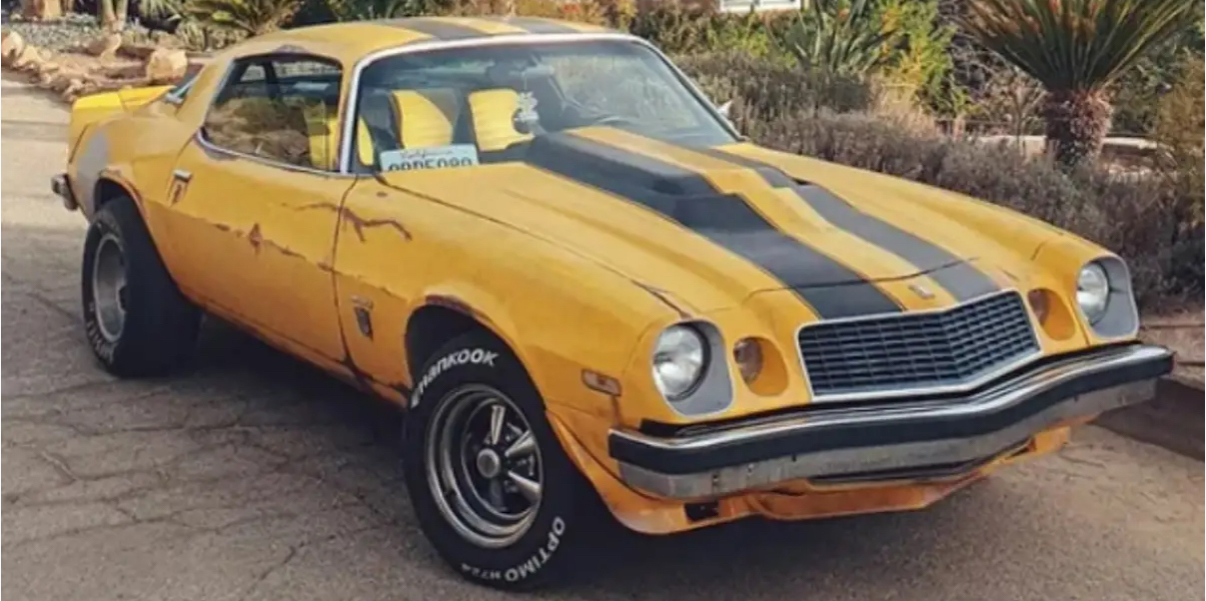
The History of the Chevrolet Camaro Part 2
The Second Generation Camaro
The first-generation Camaro was a proven success, with strong sales, but Chevrolet still hadn’t managed to outsell Ford’s Mustang. Once the initial program wrapped up, GM’s vehicle packaging group began work on the second-generation model. Henry Haga, the designer behind the original Camaro, returned to lead the new design effort.
“The first-generation Camaro delivered a pure, classic proportion that will forever be regarded as one of the best-looking cars of its time.” – Ed Welburn, VP of GM Global Design
It might be hard to believe, but the first generation Camaro was rushed to production in many ways. The team was very much a group of designers who were passionate about cars and they wanted to correct a couple ‘wrongs’ from the first generation design. this might seem shocking, but back then the designers though of the first generation’s styling as more of a family car, and they wanted something more sporty.
Let’s be honest – the Camaro wasn’t just “inspired” by the Mustang. Chevrolet shamelessly borrowed as much as possible in a bid to carve away Ford’s market share. But when it came to the second generation, the design team drew on the elegance of the Ferrari 250, aiming to craft a more refined “driver’s” car. Unlike the rushed pace of the first-gen program, this time they had the breathing room to fully realize their vision of what a true sports car should be.
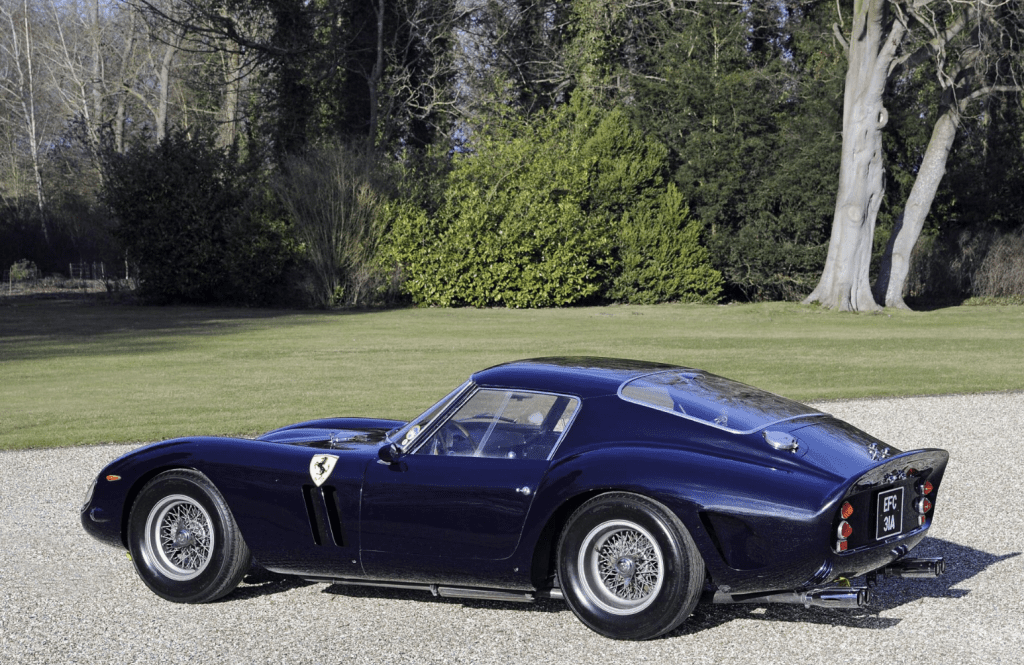
The second-generation Camaro emerged longer, lower, and undeniably sleeker than its predecessor. At the time, the Mustang fastback was setting the tone for pony car styling, and Chevrolet’s designers weren’t about to ignore the trend. They leaned into the fastback silhouette while putting their own spin on it—the kind of “innovation” GM was famous for back then: slipping a massive engine under the hood and letting raw power do the talking.
Beyond just looks and horsepower, the design team also sweated the details. They paid close attention to seat placement, visibility, and even the ergonomics of getting in and out of the car. The goal wasn’t just to build something that turned heads, it had to feel like a true driver’s car, balancing muscle with a more refined, European-inspired sense of proportion and comfort.
“We weren’t able to include a fastback in the Camaro line”- Dave Holls
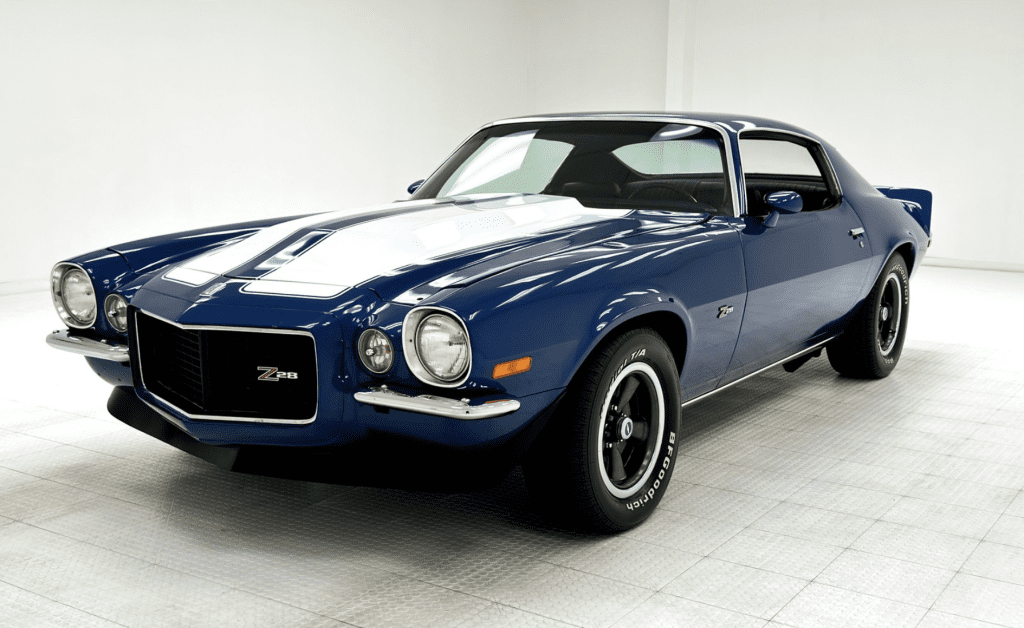
When Chevrolet rolled out the second-generation Camaro in 1970, the mission hadn’t changed: it was still built to take on Ford’s Mustang and hold onto that same youthful, performance-hungry market. But this time, Chevy aimed higher. The new Camaro’s longer, lower, and sleeker profile gave it a European grand-touring flair, a nod to cars like the Ferrari 250 that inspired its lines. This wasn’t just a pony car knockoff anymore, it was designed to feel like a true driver’s machine. Chevrolet wanted to keep the entry-level buyers happy with affordable six-cylinder models, but the real ambition was to lure in a slightly older, more style-conscious crowd with money to spend. With trims ranging from practical to pavement-melting (SS, Z/28, and beyond), the second-generation Camaro broadened its reach: still a Mustang fighter at heart, but also a sports coupe with aspirations of sophistication.
1. The Launch
The launch of the second-generation Camaro in 1970 came with plenty of fanfare, but also turbulence. On the surface, the car was a hit: critics praised its sleek, European-inspired styling, its improved handling, and the way it finally felt less like a Mustang copy and more like a car with its own identity. Buyers responded, too. For the first time, Camaro sales actually eclipsed the Mustang’s—proof that Chevrolet’s gamble to refine and stretch the pony car formula had worked.
But the celebration didn’t last long. The early ’70s were a brutal time for the American auto industry. A series of UAW strikes slowed Camaro production more than once, leaving dealers short on supply and customers frustrated. And just as the car was hitting its stride, the 1973 oil crisis sucker-punched the entire muscle car market. Gas prices spiked, insurance rates soared, and suddenly the idea of driving a big V8 coupe felt out of step with the times.
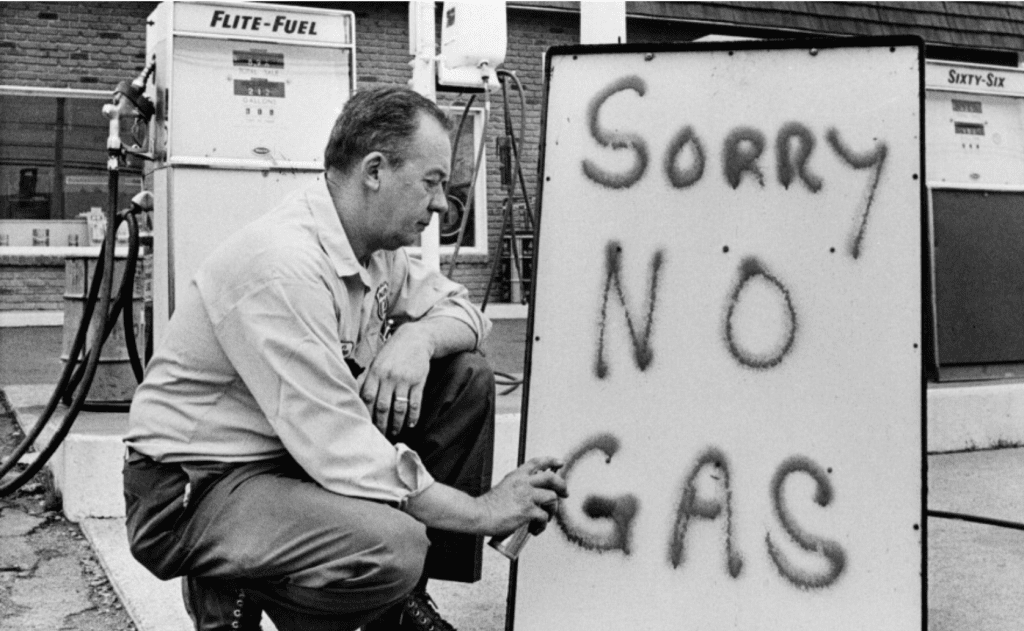
Despite these headwinds, the Camaro carved out a loyal following. Its mix of performance, style, and value made it one of the few muscle cars that managed to weather the storm, even as many of its competitors faded away. The second generation wasn’t just an evolution of the Camaro—it was proof that Chevrolet could out-Mustang the Mustang, at least for a moment, even in one of the toughest decades the industry had ever faced.
2. Engineering the Beast: How Chevy Made It Fast
When the second-generation Camaro debuted in 1970, Chevrolet came out swinging. If the first-generation Camaro had been accused of simply chasing the Mustang, the new car wanted to make a statement: not only could it look European, it could run like hell, too. At the heart of this promise was the mighty LT-1 V8.
The Z/28, which had earned its stripes in Trans-Am racing during the late ’60s, now came standard with the 360-horsepower LT-1, a 350 cubic-inch small-block that was as close to a race engine as GM dared to put in a street car. High compression, solid lifters, a hot cam, and a free-breathing four-barrel carb gave it explosive character. This was not a gentle cruiser—it was loud, raw, and happiest above 4,000 rpm. In a time when muscle cars were already starting to soften, the Z/28 remained a purist’s machine.
And it wasn’t alone. The Camaro lineup in 1970 offered a buffet of big and small V8s, each catering to a different flavor of speed:
- Z/28 – 350ci LT-1 V8, 360 hp @ 6,000 rpm / 380 lb-ft torque. High-revving and track-bred.
- SS 350 – 350ci Turbo-Fire V8, 300 hp. A street-friendly balance of power and affordability.
- SS 396 – Big-block 396ci Turbo-Jet V8 in multiple outputs:
- 325 hp (base)
- 350 hp (L34)
- 375 hp (L78, the most potent 396 of the era)
- Base models – inline-six and small-block V8s ranging from 155–250 hp, for buyers who wanted Camaro looks without Camaro performance.
This performance smorgasbord made the Camaro one of the most flexible pony cars on the market. You could spec one as a stylish cruiser or as a fire-breathing street brawler.
But then the world changed. By 1971–72, tightening emissions regulations, rising insurance premiums, and the first oil crisis began choking the very heart of the muscle car. Compression ratios were lowered, horsepower ratings plummeted (in part due to the switch from gross to net horsepower ratings in 1972), and the once-mighty Camaro lineup lost much of its edge. The LT-1 in the Z/28, once a 360-hp screamer, was down to about 275 net horsepower by 1972, a shadow of its former self. The SS 396 faded away entirely after 1972, and by the mid-’70s, the Camaro’s powerplants were a pale imitation of the fire-breathing monsters that had launched the generation.
By the late second-generation (1978–1981), the Camaro was a very different animal from the fire-breathing ’70–’72 cars. The gas crisis, emissions regulations, and insurance crackdowns had taken their toll. The focus shifted toward styling packages (Rally Sport, Berlinetta, Z28) and creature comforts, while engines got smaller, weaker, and more strangled by smog equipment. The SS was discontinued by mid-’70s and not offered in late second-gen.
Here’s a breakdown of what you’d find under the hood in those years:
1978–1981 Camaro Engine Options
Base / Berlinetta (Luxury trim introduced in ’78)
- 250ci Inline-Six – ~115 hp
- 305ci Small-Block V8 – 145–155 hp depending on year
Rally Sport (Appearance Package)
- Same engine choices as base/standard cars. The RS was mostly cosmetic in these years.
Z28 (Performance Model)
- 305ci V8 (California cars only) – 175 hp
- 350ci 4-barrel V8 – 170–190 hp depending on year and emissions package
- 1978: 185–185 hp (varied slightly by state)
- 1979: 175–190 hp
- 1980: 190 hp (49-state), 155 hp (California)
- 1981: 175 hp (with new Computer Command Control carb system)
Change is Constant
- 1978: Facelift year — body-color urethane bumpers, wraparound rear glass, updated interior. Engines topped out with the 350 V8 in the Z28 (~185 hp).
- 1979: Camaro’s best sales year ever (over 280,000 units), despite relatively weak engines. Z28 got a functional hood scoop, but performance was mostly show.
- 1980: California cracked down hard; 305 became mandatory there. Elsewhere, the 350 stuck around at ~190 hp.
- 1981: The first GM “computer-controlled” carburetor appeared, dropping the Z28’s 350 to ~175 hp. A sign of the technology shift of the ’80s.
By this point, the Camaro wasn’t the brutal street machine it had been in 1970. It was more of a stylish sporty coupe with enough performance to still be fun, but far from dominant. Enthusiasts often call the late second-gens “all show, no go,” but the styling kept them popular, and they outsold the Mustang through most of this period.
3. Camaro Sales Boom: How Chevy Dominated the Late ’70s
The late ’70s were a golden moment for the Camaro. By 1977, Chevy’s pony car was hitting its stride, and for the first time, it actually outsold the Mustang, with 218,853 units rolling off assembly lines compared to Ford’s 153,173. The momentum only accelerated in 1978, when Camaro sales skyrocketed to 272,631 units — making it the best-selling Camaro ever. That year, it outsold the Mustang by nearly 80,000 cars, cementing its status as the dominant American sporty coupe of the era.
1979 would see an even higher total of 282,571 Camaros sold, setting a fresh all-time record for the model. While the Mustang reclaimed the lead in overall sales that year, the Camaro’s numbers proved it had captured the public’s imagination. Enthusiasts loved the mix of performance, style, and customization options, and the Camaro became a staple of late-’70s car culture.
Several factors helped fuel this sales surge: the return of the Z/28 performance package, the fresh styling updates, and the continued promise of affordable muscle in an era when true performance cars were beginning to fade. But it wasn’t just what Chevrolet was doing inside its showrooms—it was the culture around cars at the time.
Pop culture played a huge role. The late ’70s were filled with car chases on TV, rock songs about fast cars, and movies that turned muscle coupes into icons. Perhaps the biggest influence came from Pontiac’s sibling to the Camaro—the Firebird. When Smokey and the Bandit hit theaters in 1977, it turned the Trans Am into a cultural phenomenon. Sales of the Firebird exploded, and that halo effect spilled over to the Camaro as well. For many buyers, the Camaro was the more attainable or more practical version of the same dream: a sleek GM coupe with attitude.
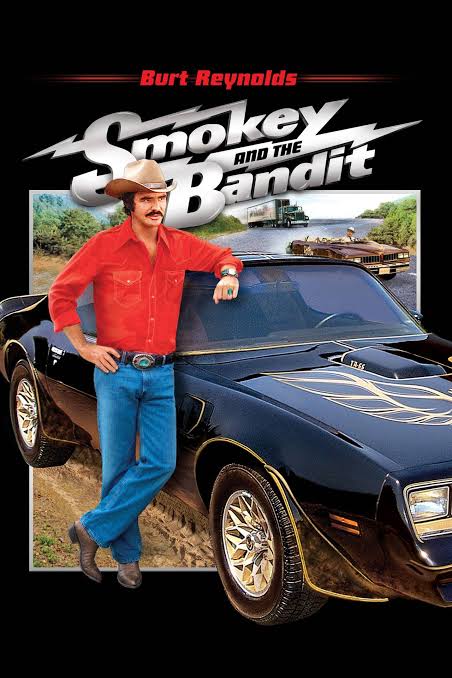
Together, the Camaro and Firebird became inseparable symbols of freedom and fun. They were the cars young buyers aspired to own, the ones plastered on posters and cruising Main Street on Saturday nights. Chevy’s marketing leaned into this, positioning the Camaro as more than just transportation—it was a lifestyle statement. By 1978, that mix of performance heritage, fresh styling, and cultural relevance had the Camaro firmly planted at the center of American car culture.
| Year | Camaro Sales | Mustang Sales | Outcome |
|---|---|---|---|
| 1977 | 218,853 | 153,173 | Camaro outsold Mustang |
| 1978 | 272,631 | 192,410 | Camaro won by ~80k units |
| 1979 | 282,571 | Higher | Mustang reclaimed the lead |
In short, 1978 remains the Camaro’s standout year, both in sales and cultural impact. This thing wasn’t just another car – it was Chevy flipping the bird to Ford and saying ‘Yeah, we can build a pony car too, and ours doesn’t suck.’ And for a hot minute there, they actually pulled it off.
4. Second-Gen Flaws: What Broke (and Why Enthusiasts Didn’t Care)
For all its sleek styling and newfound sophistication, the second-generation Camaro wasn’t without problems. In fact, it had plenty. Like many cars of the 1970s, quality control wasn’t exactly a point of pride at GM. Fit and finish were often inconsistent, rust could appear alarmingly early in the car’s life, and interior materials; vinyl, plastics, trim – were prone to cracking, peeling, or fading after just a few years. Doors were notoriously heavy, hinges sagged, and squeaks and rattles became the unofficial soundtrack of Camaro ownership.
Mechanical gremlins weren’t rare either. Electrical issues, leaky gaskets, carburetor problems, and fragile transmissions plagued more than a few owners. And thanks to the multiple UAW strikes that disrupted production in the early years, some cars rolled off the line with even sloppier assembly than usual. The Camaro was, in many ways, a product of its era: built during one of Detroit’s most tumultuous decades, when pressure to meet demand and cut costs often outweighed the finer points of craftsmanship.
But here’s the thing: enthusiasts didn’t care. At least, not enough to walk away. The Camaro’s flaws became part of its personality, quirks to work around rather than deal-breakers. What the car lacked in polish, it made up for in raw appeal. The proportions were perfect: long hood, short deck, wide stance. It looked like it was going 90 mph just sitting still. Slide behind the wheel, fire up a small-block or big-block V8, and suddenly the creaks in the dashboard or the sagging door hinge seemed trivial.
More importantly, the Camaro was accessible. For the price of a modest family sedan, buyers could get a car that turned heads, laid rubber, and felt like a ticket into the muscle car fraternity. Unlike European sports coupes, which were both expensive and finicky, the Camaro was something you could wrench on in your driveway, customize to your taste, and thrash at the drag strip on Saturday night.
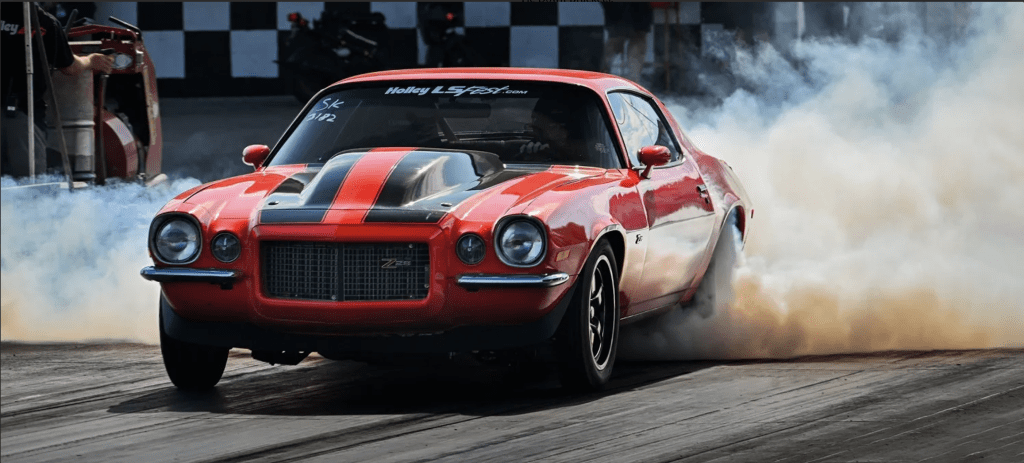
Even as the gas crisis and tightening emissions strangled horsepower, the Camaro held onto its charm. Sure, the late ’70s models weren’t the fire-breathing monsters of the early years, but to enthusiasts, the flaws and compromises didn’t matter. The second-gen Camaro had style, attitude, and presence. This outweighed the cracked dash pad, the leaky valve cover, or the fact that the rear quarter panels might be dissolving into rust.
In the end, the second-generation Camaro’s imperfections only strengthened its legend. It wasn’t a perfect car, but it was a real car, bold, flawed, and unforgettable. And for enthusiasts, that’s exactly what made it great.
Stay tuned for Part III of our Camaro history series, the next one is going to be “Bitchin’”!
Leave a Reply